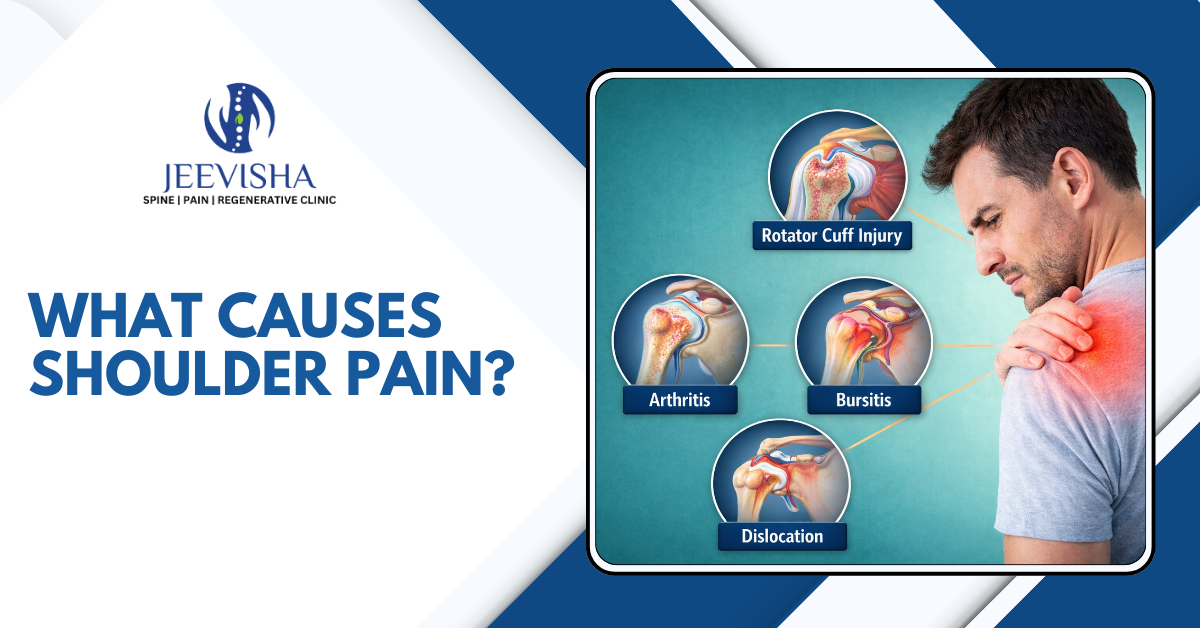
Shoulder pain is a common problem that affects people of all ages, lifestyles, and activity levels. From office workers and athletes to older adults, many people experience shoulder discomfort at some point in their lives. The shoulder plays a vital role in almost every upper-body movement, so even mild pain can interfere with daily tasks such as dressing, driving, lifting objects, or sleeping comfortably.
Understanding what causes shoulder pain can help you recognize early symptoms, seek the right treatment, and avoid long-term complications. Shoulder pain may develop suddenly after an injury or gradually due to wear and tear, poor posture, or underlying medical conditions.
Understanding Shoulder Pain
The shoulder is the most mobile joint in the human body. It consists of three main bones: the upper arm bone (humerus), shoulder blade (scapula), and collarbone (clavicle) supported by muscles, tendons, ligaments, and bursae. This complex structure allows the arm to move freely in multiple directions.
However, this flexibility also makes the shoulder vulnerable to strain, inflammation, and injury. Shoulder pain may be sharp or dull, constant or intermittent, localized or radiating down the arm. In some cases, pain may not originate from the shoulder itself but from the neck or internal organs.
Common Causes of Shoulder Pain
Rotator Cuff Injuries
Rotator cuff injuries are among the most common causes of shoulder pain, especially in adults over 40 and individuals involved in repetitive overhead activities. These injuries range from mild inflammation to partial or complete tendon tears.
People often notice pain when lifting the arm, reaching overhead, or performing simple activities like combing hair. Weakness and reduced range of motion are also common symptoms.
Shoulder Impingement Syndrome
Shoulder impingement occurs when the rotator cuff tendons are compressed between the shoulder bones during movement. This leads to irritation, inflammation, and pain, particularly when raising the arm.
If untreated, shoulder impingement can progress to chronic pain and tendon damage, making early diagnosis important.
Frozen Shoulder (Adhesive Capsulitis)
Frozen shoulders cause progressive stiffness, pain, and limited shoulder movement. The condition typically develops in three stages: freezing, frozen, and thawing.
It is more common in people with diabetes, thyroid disorders, or those who have kept their shoulder immobile for extended periods due to injury or surgery.
Shoulder Bursitis
Bursitis occurs when the bursae small fluid-filled sacs that reduce friction—become inflamed. Shoulder bursitis often causes pain, swelling, and tenderness, especially during movement or pressure.
Repetitive activities, poor posture, and prolonged pressure on the shoulder are common triggers.
Tendinitis of the Shoulder
Shoulder tendinitis develops when tendons become irritated due to overuse, aging, or sudden increase in physical activity. Athletes, manual laborers, and individuals with poor posture are at higher risk.
Pain usually worsens with activity and improves with rest, but ignoring symptoms may lead to chronic discomfort.
Injury-Related Causes of Shoulder Pain
Shoulder Dislocation
A shoulder dislocation occurs when the upper arm bone slips out of the shoulder socket. This painful condition usually results from falls, accidents, or sports injuries.
Symptoms include severe pain, visible deformity, swelling, and inability to move the arm. Immediate medical attention is required.
Fractures and Bone Injuries
Fractures of the collarbone, shoulder blade, or upper arm bone often cause intense pain, bruising, and swelling. These injuries are commonly caused by trauma such as road accidents or falls.
Sports and Work-Related Injuries
Repetitive strain from sports, heavy lifting, or prolonged desk work can gradually damage shoulder tissues. Over time, this may lead to chronic shoulder pain, stiffness, and reduced mobility.
Non-Injury Medical Causes of Shoulder Pain
Shoulder Arthritis
Shoulder arthritis results from the gradual breakdown of cartilage in the joint. It causes pain, stiffness, and difficulty moving the arm, especially in the morning or after inactivity.
This condition is more common in older adults but can also affect younger individuals with previous shoulder injuries.
Nerve-Related Shoulder Pain
Problems in the cervical spine, such as slipped discs or nerve compression, can cause pain that radiates from the neck into the shoulder and arm. This type of shoulder pain may be accompanied by numbness, tingling, or weakness.
Referred Pain from Internal Organs
Sometimes shoulder pain originates from organs such as the heart, lungs, or gallbladder. Left shoulder pain, in particular, may be associated with heart-related conditions and should never be ignored.
According to Dr Sanjog Mekewar, unexplained or persistent shoulder pain should always be evaluated carefully to rule out non-musculoskeletal causes and ensure timely treatment.
Shoulder Pain Without Injury – Why It Happens
Many people experience shoulder pain without any obvious injury. Poor posture, prolonged screen time, sleeping on one side, muscle tension, and emotional stress can all contribute to discomfort.
Muscle imbalances and lack of regular stretching can also lead to stiffness and pain over time.
Shoulder Pain at Night – Common Reasons
Night-time shoulder pain is a frequent complaint and can significantly disturb sleep. Conditions such as rotator cuff injuries, frozen shoulder, bursitis, and arthritis often worsen at night due to reduced movement and inflammation.
People experiencing persistent night pain often seek Shoulder Pain Treatment in Wakad PCMC to identify the underlying cause and receive targeted care that improves sleep and daily comfort.
Shoulder Pain by Age and Gender
Shoulder Pain in Adults
In adults, shoulder pain commonly results from overuse, poor posture, and early degenerative changes.
Shoulder Pain in Women
Hormonal changes, osteoporosis, and autoimmune conditions may increase the likelihood of shoulder pain in women.
Shoulder Pain in Elderly People
In older adults, arthritis, reduced muscle strength, and age-related degeneration are leading causes of shoulder pain.
When Should You See a Doctor for Shoulder Pain?
You should consult a doctor if shoulder pain:
- Persists for more than a few days
- Becomes severe or worsens over time
- Is associated with swelling, redness, or fever
- Limits shoulder movement
- Occurs after an injury or accident
Early evaluation at Jeevisha Spine Pain Regenerative Clinic can help identify the cause and prevent long-term complications.
How Is Shoulder Pain Diagnosed?
Diagnosis usually involves a detailed medical history, physical examination, and imaging tests such as X-rays, ultrasound, or MRI scans. These tests help determine whether the pain is caused by soft-tissue injury, joint problems, or nerve involvement.
Treatment Options for Shoulder Pain
Home Care and Self-Management
Mild shoulder pain may improve with rest, ice or heat therapy, gentle stretching, and posture correction.
Medical Treatments
Treatment options may include pain-relieving medications, physiotherapy, regenerative therapies, or injections to reduce inflammation and restore function.
Surgical Treatment
Surgery is typically considered only when conservative treatments fail or in cases of severe injury.
Experts at Jeevisha Spine Pain Regenerative Clinic focus on advanced, non-surgical approaches whenever possible to promote healing and long-term relief.
How to Prevent Shoulder Pain
Preventing shoulder pain involves maintaining good posture, strengthening shoulder and upper-back muscles, avoiding repetitive strain, and taking regular breaks during work or physical activity.
Conclusion
Shoulder pain can arise from many causes, ranging from muscle strain and poor posture to complex joint, nerve, or medical conditions. Understanding the underlying reason for your pain is key to choosing the right treatment and preventing future problems.
If shoulder pain affects your daily life, limits movement, or does not improve with self-care, seeking professional medical advice can make a significant difference. Early diagnosis and appropriate treatment help restore comfort, mobility, and overall well-being.