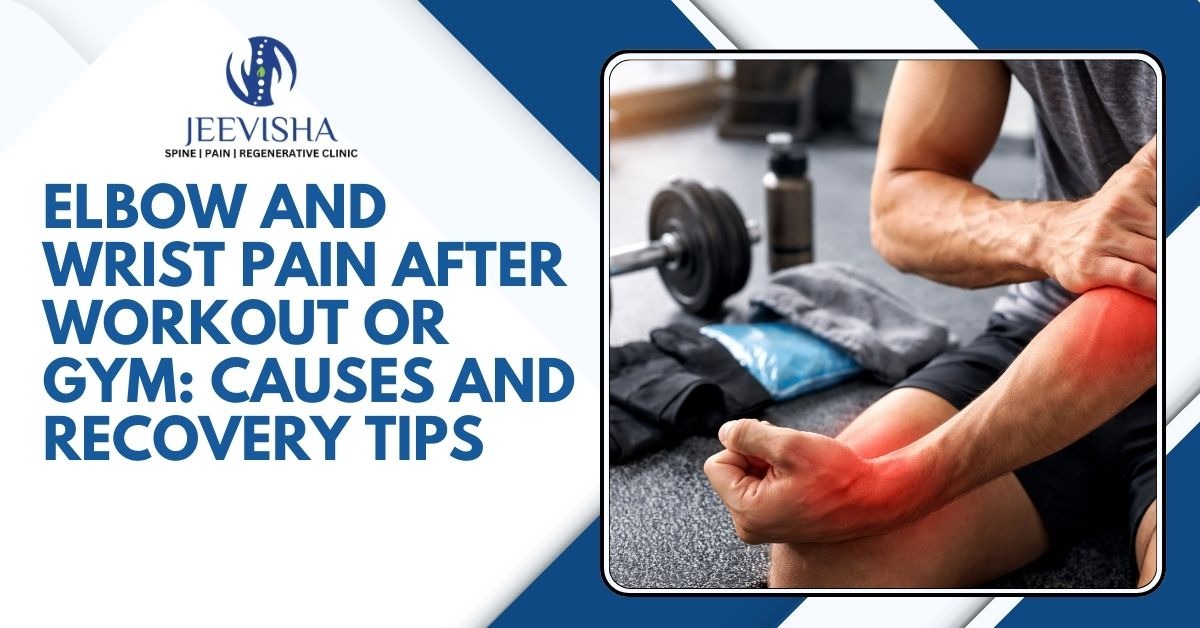
Working out regularly is one of the best things you can do for your health. Whether you're lifting weights, doing push-ups, or practicing strength training exercises, physical activity helps build muscle, improve endurance, and keep your body strong. However, many people experience elbow pain after workout sessions or wrist pain after gym exercises, which can make training uncomfortable and sometimes even discourage them from continuing their fitness routine.
If you’ve ever asked yourself, “Why do my elbows hurt after lifting weights?” or “Why does my wrist hurt after a workout?”, you’re not alone. These types of discomfort are common among beginners and experienced fitness enthusiasts alike. In most cases, the pain happens due to overuse, improper technique, or strain on the muscles and tendons around the joints.
The good news is that most workout-related joint pain can be managed and prevented with the right approach. In this article, we’ll explore the common causes of elbow and wrist pain after workouts, symptoms to watch for, recovery tips, and practical ways to prevent these injuries in the future.
Why Do Elbow and Wrist Pain Happen After a Workout?
Your elbows and wrists play a crucial role in almost every upper-body exercise. Movements like lifting weights, gripping dumbbells, pushing, and pulling all rely heavily on these joints.
During a workout, the muscles, tendons, and ligaments around the elbow and wrist absorb stress. When the body is not prepared for the intensity of the exercise, or when movements are repeated frequently without proper recovery, the joints can become irritated or inflamed.
Several factors can contribute to elbow pain after gym sessions or wrist pain during workouts, including:
- Repetitive lifting movements
- Weak forearm muscles
- Incorrect exercise technique
- Sudden increase in workout intensity
- Insufficient warm-up or stretching
When these factors combine, they can lead to strain on the tendons that connect the forearm muscles to the elbow and wrist joints.
Common Causes of Elbow Pain After Workout
Elbow pain is one of the most common gym-related issues, especially during weight training. Here are some of the main causes.
Overuse and Repetitive Strain
Performing the same exercise repeatedly without adequate rest can strain the tendons around the elbow joint. Movements such as bicep curls, pull-ups, and tricep extensions require repetitive bending and straightening of the elbow, which can irritate the surrounding tissues over time.
Tennis Elbow (Lateral Epicondylitis)
Despite its name, tennis elbow is not limited to tennis players. It often occurs in people who perform repetitive gripping and wrist extension movements, which are common in gym workouts. The condition causes pain on the outer side of the elbow, especially during lifting or gripping activities.
Golfer’s Elbow (Medial Epicondylitis)
Golfer’s elbow affects the inner side of the elbow and is often caused by repetitive stress on the forearm tendons. Weightlifting exercises that involve strong gripping or wrist flexion may contribute to this condition.
Poor Workout Technique
Incorrect form during exercises like bench press, bicep curls, or pull-ups can place unnecessary pressure on the elbow joint. Even small mistakes in posture or alignment can increase the risk of pain or injury.
Lifting Excessive Weight
Trying to lift weights that are too heavy can overload the muscles and tendons around the elbow. When the joints are forced to handle more stress than they can tolerate, inflammation and discomfort may develop.
Common Causes of Wrist Pain After Gym Workouts
Wrist pain is another common issue among people who engage in strength training or bodyweight exercises.
Wrist Strain from Heavy Lifting
When lifting heavy weights, the wrists act as stabilizers. If the weight is too heavy or the grip is incorrect, the wrist joint may become strained.
Poor Wrist Position During Exercises
Improper wrist alignment during exercises such as push-ups, bench press, or overhead lifts can place excessive pressure on the joint. Ideally, the wrist should remain neutral and aligned with the forearm.
Weak Forearm Muscles
The forearm muscles support both the wrist and elbow joints. When these muscles are weak, they may not provide enough stability during lifting movements, increasing the risk of wrist pain.
Repetitive Stress Injuries
Frequent workouts that involve repetitive gripping, lifting, or twisting motions can lead to repetitive stress injuries, which gradually develop over time.
Gym Exercises That Often Cause Elbow and Wrist Pain
Certain exercises are more likely to contribute to elbow and wrist discomfort if performed incorrectly or excessively. These include:
- Bicep curls – Repetitive elbow flexion can strain tendons.
- Bench press – Improper grip or wrist angle may stress joints.
- Push-ups – Excessive pressure on the wrists can cause strain.
- Pull-ups – Strong gripping may irritate forearm tendons.
- Tricep dips – Can place significant pressure on the elbows.
- Deadlifts – Improper grip technique may affect the wrists and forearms.
Using proper technique and gradually increasing weight can significantly reduce the risk of injury during these exercises.
Symptoms That May Indicate a Gym Injury
While mild soreness after exercise is normal, certain symptoms may indicate a more serious issue.
Common signs include:
- Persistent elbow pain after lifting weights
- Wrist stiffness or swelling
- Pain when gripping objects
- Difficulty straightening or bending the arm
- Weakness in the forearm or hand
- Reduced range of motion
If these symptoms persist or worsen, it may indicate conditions such as tendonitis or repetitive strain injury. In such situations, consulting a specialized pain management center like Jeevisha Spine Pain Regenerative Clinic, known for providing elbow & wrist pain treatment In Wakad, may help in identifying the root cause and guiding appropriate treatment.
Effective Recovery Tips for Elbow and Wrist Pain After Workout
Recovering properly is essential for preventing further injury and ensuring that you can return to your workouts safely.
Rest and Avoid Strain
Giving your elbow and wrist enough time to rest is essential for proper healing. Avoid exercises that put pressure on the affected joints for a few days. Continuing intense workouts while experiencing pain can worsen inflammation and delay the recovery process.
Apply Ice Therapy
Applying an ice pack to the painful area can help reduce swelling and inflammation. Place ice on the elbow or wrist for about 15–20 minutes several times a day, especially after physical activity, to help relieve pain and support faster recovery.
Gentle Stretching and Mobility Exercises
Light stretching exercises for the forearm, wrist, and elbow can help improve flexibility and reduce stiffness. Gentle mobility movements increase blood circulation to the affected area, which may support healing and gradually restore normal joint movement without adding extra strain.
Use Wrist or Elbow Support
Using supportive braces or compression sleeves can provide stability to the elbow and wrist joints. These supports help reduce pressure on the tendons and muscles during daily activities, allowing the injured area to recover while preventing further irritation.
Strengthening the Forearm Muscles
Once the pain begins to reduce, gradually strengthening the forearm muscles can help protect the elbow and wrist joints. Exercises like light wrist curls or grip strengthening movements improve muscle support, which can lower the risk of future strain or injury.
Exercises That Help Relieve Elbow and Wrist Pain
Incorporating mobility and strengthening exercises into your routine can help reduce pain and prevent future injuries.
Some helpful exercises include:
Wrist Flexor Stretch
The wrist flexor stretch helps relax the muscles on the inner side of your forearm that support the wrist and elbow joints. Extend your arm forward with your palm facing upward, and gently pull your fingers downward with the other hand. Hold for about 15–20 seconds to reduce tightness.
Wrist Extensor Stretch
This stretch targets the outer forearm muscles that are commonly strained during lifting exercises. Extend your arm in front of you with the palm facing downward, then gently press your hand down using the other hand. Holding the stretch for 15–20 seconds helps improve flexibility and relieve tension.
Grip Strengthening Exercises
Grip strengthening exercises improve the stability of the wrist and elbow joints by building stronger forearm muscles. Using a stress ball, hand gripper, or soft resistance ball, gently squeeze and release repeatedly. Practicing this exercise regularly can improve grip strength and reduce joint strain during workouts.
Forearm Strengthening Movements
Forearm strengthening movements such as light wrist curls help build endurance and support for the elbow and wrist joints. Use light dumbbells and slowly bend your wrist upward and downward. Gradually increasing repetitions helps improve muscle strength and reduce the chances of overuse injuries.
Tips to Prevent Elbow and Wrist Pain During Workouts
Preventing injuries is always better than treating them. Following these simple tips can help protect your joints during exercise.
- Warm up properly before starting any workout
- Focus on correct lifting technique
- Avoid lifting weights that are too heavy too quickly
- Gradually increase workout intensity
- Maintain proper wrist alignment during exercises
- Include rest days in your training schedule
- Strengthen forearm and grip muscles regularly
Taking these precautions can significantly reduce the risk of developing elbow or wrist pain from gym workouts.
When Should You See a Doctor for Elbow or Wrist Pain?
Most minor workout-related injuries improve with rest and self-care. However, medical attention may be necessary if you experience:
- Pain that lasts longer than one to two weeks
- Severe swelling or redness
- Numbness or tingling in the hand or fingers
- Difficulty lifting everyday objects
- Sudden sharp pain during exercise
If symptoms continue despite rest, consulting a specialist such as Dr. Sanjog Mekewar can help determine whether the issue involves tendon inflammation, joint strain, or another musculoskeletal condition that requires medical attention.
Frequently Asked Questions
1. Why do my elbows hurt after lifting weights?
Elbow pain after lifting weights often occurs due to overuse of the forearm muscles and tendons that support the elbow joint. Repetitive movements, improper lifting technique, or lifting weights that are too heavy can cause strain. This may lead to inflammation or conditions like tendonitis or tennis elbow.
2. Is wrist pain after gym workouts normal?
Mild wrist discomfort can sometimes occur after intense workouts, especially if your wrists are not used to heavy lifting or repetitive movements. However, persistent wrist pain may indicate strain, improper exercise form, or weak forearm muscles. Improving technique, strengthening the forearms, and allowing proper recovery can help reduce the risk.
3. How long does elbow pain from gym workouts take to heal?
The healing time for elbow pain depends on the severity of the injury. Mild muscle strain may improve within a few days with rest and proper care. However, tendon-related issues such as tennis elbow may take several weeks to heal, especially if repetitive activities continue during recovery.
4. Can weightlifting cause tennis elbow?
Yes, weightlifting can sometimes lead to tennis elbow, especially when exercises involve repetitive gripping and wrist movements. Lifting heavy weights with improper form or overtraining the forearm muscles can strain the tendons around the elbow joint, leading to pain and inflammation over time.
Conclusion
Experiencing elbow or wrist pain from gym sessions can be frustrating, especially when you're trying to stay consistent with your fitness routine. However, understanding the causes behind these issues can help you manage them effectively and prevent future injuries.
Most cases occur due to overuse, improper technique, or excessive strain on the joints. By focusing on proper form, strengthening supporting muscles, warming up before workouts, and allowing your body enough time to recover, you can significantly reduce the risk of elbow and wrist pain.
If discomfort persists despite rest and self-care, seeking professional medical advice is always a wise decision. Taking care of your joints today will help ensure that you can continue enjoying safe and effective workouts in the long run.