Best Back Pain Treatment in Wakad,PCMC
Every day, thousands of people in Wakad,PCMC wake up with back pain that affects their work, family time, and quality of life. But here's the good news: you don't have to live with this pain anymore, and you definitely don't need surgery to fix it.
Book Consultation
About
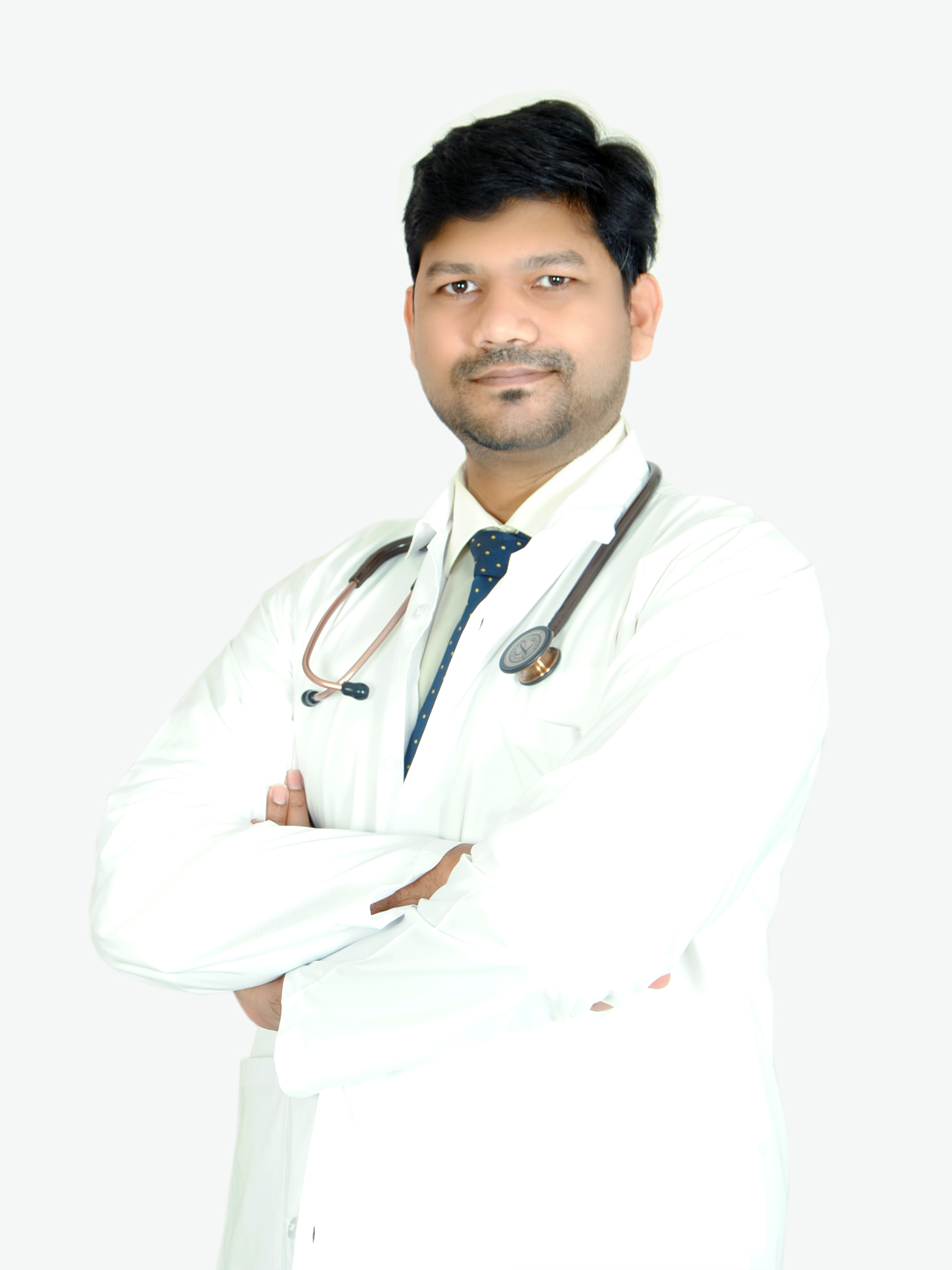
Dr. Sanjog Mekewar
Dr. Sanjog Mekewar is a leading Pain & Spine Specialist in Wakad,PCMC with 17+ years of clinical experience in treating chronic pain through advanced, minimally invasive, and regenerative therapies. He is known for his accurate diagnosis, patient-friendly approach, and successful non-surgical treatments for spine, joint, nerve, and musculoskeletal pain. He has helped thousands of patients overcome back pain, neck pain, slipped disc, sciatica, joint pain, migraines, and neuropathic pain using modern, evidence-based techniques.
Qualifications:
- MBBS B. J. Medical College, Pune
- DA (Diploma in Anaesthesia) Seth GS Medical College & KEM Hospital, Mumbai
- DNB BARC Hospital, Mumbai
- FIPM Fellowship in Interventional Pain Management
- FIAPM Fellow, Indian Academy of Pain Medicine
Treatment
SPECIALIZED TREATMENT FOR ALL TYPES OF BACK PAIN
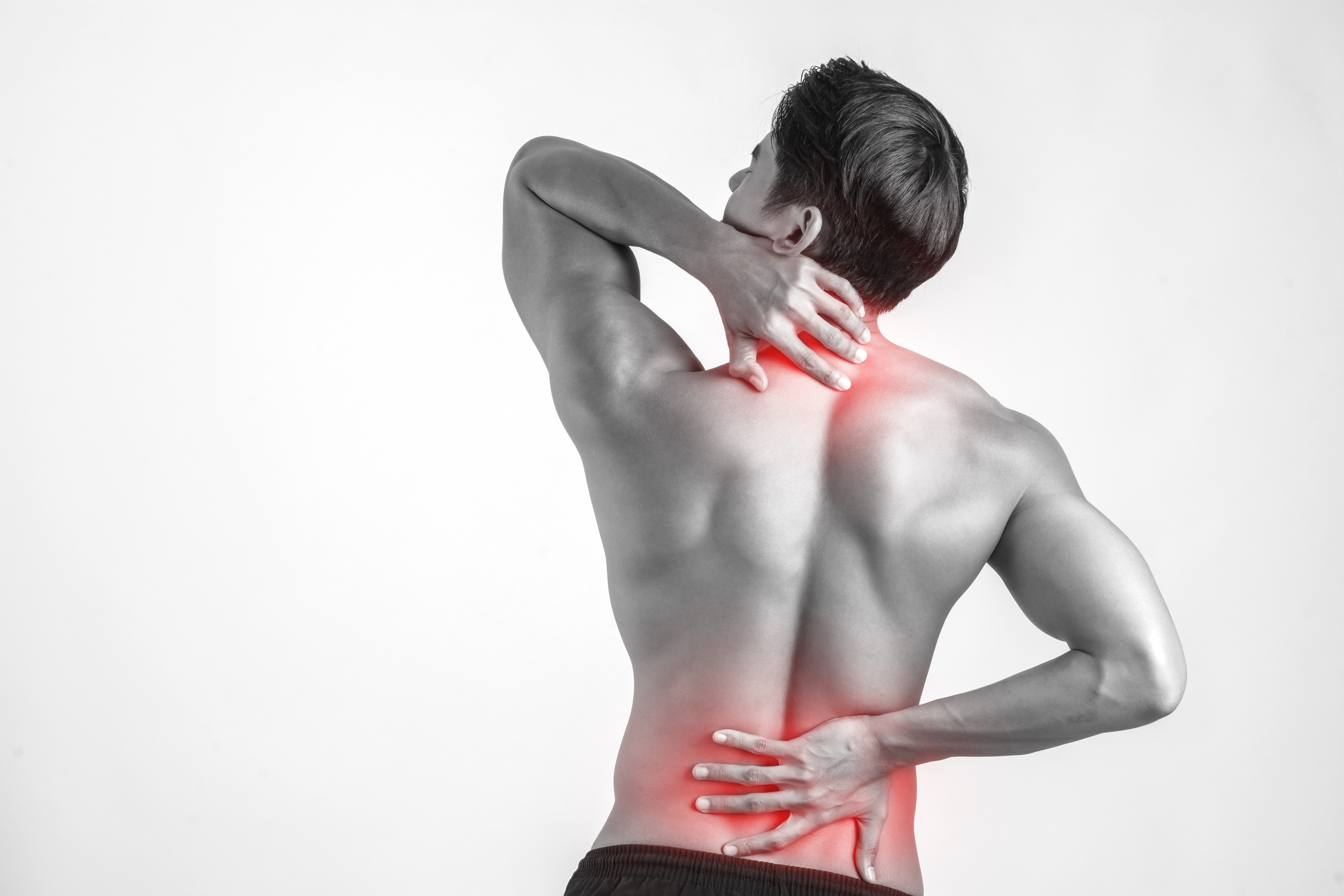
Lower Back Pain (Lumbar Pain)
That persistent dull ache or sharp stabbing pain in your lower back making simple movements like bending, sitting, or standing unbearable. We target the root cause for lasting relief.

Sciatica & Nerve Pain
Shooting, burning pain radiating from your lower back through buttocks and down your leg, often with numbness or tingling. Our targeted nerve treatments provide quick, effective relief.
Herniated/Slipped Disc
When spinal disc cushions bulge or rupture, pressing on nearby nerves causing severe pain and mobility issues. We offer non-surgical treatments to heal and decompress affected discs naturally.
Chronic Back Pain
Pain persisting beyond three months that disrupts sleep, work, and daily activities despite trying multiple treatments. Our comprehensive approach addresses underlying causes, not just symptoms, for long-term relief.

Disc Prolapse
Advanced disc herniation where inner gel material leaks out, causing severe nerve compression and debilitating pain. Specialized interventional procedures provide relief without invasive surgery or lengthy recovery.

Spinal Stenosis
Progressive narrowing of spinal canal causing pressure on nerves, resulting in leg pain, numbness, and walking difficulties. Minimally invasive treatments create space and reduce inflammation effectively.

Sacroiliac Joint Dysfunction
Sharp pain in the lower back or buttocks from inflammation or misalignment of the joint connecting spine to pelvis. Targeted injections and stabilization exercises restore normal function.

Post-Surgery Pain
Persistent or recurring pain following previous spine surgery, often called failed back surgery syndrome. Advanced interventional techniques and rehabilitation protocols address scar tissue and nerve sensitization.
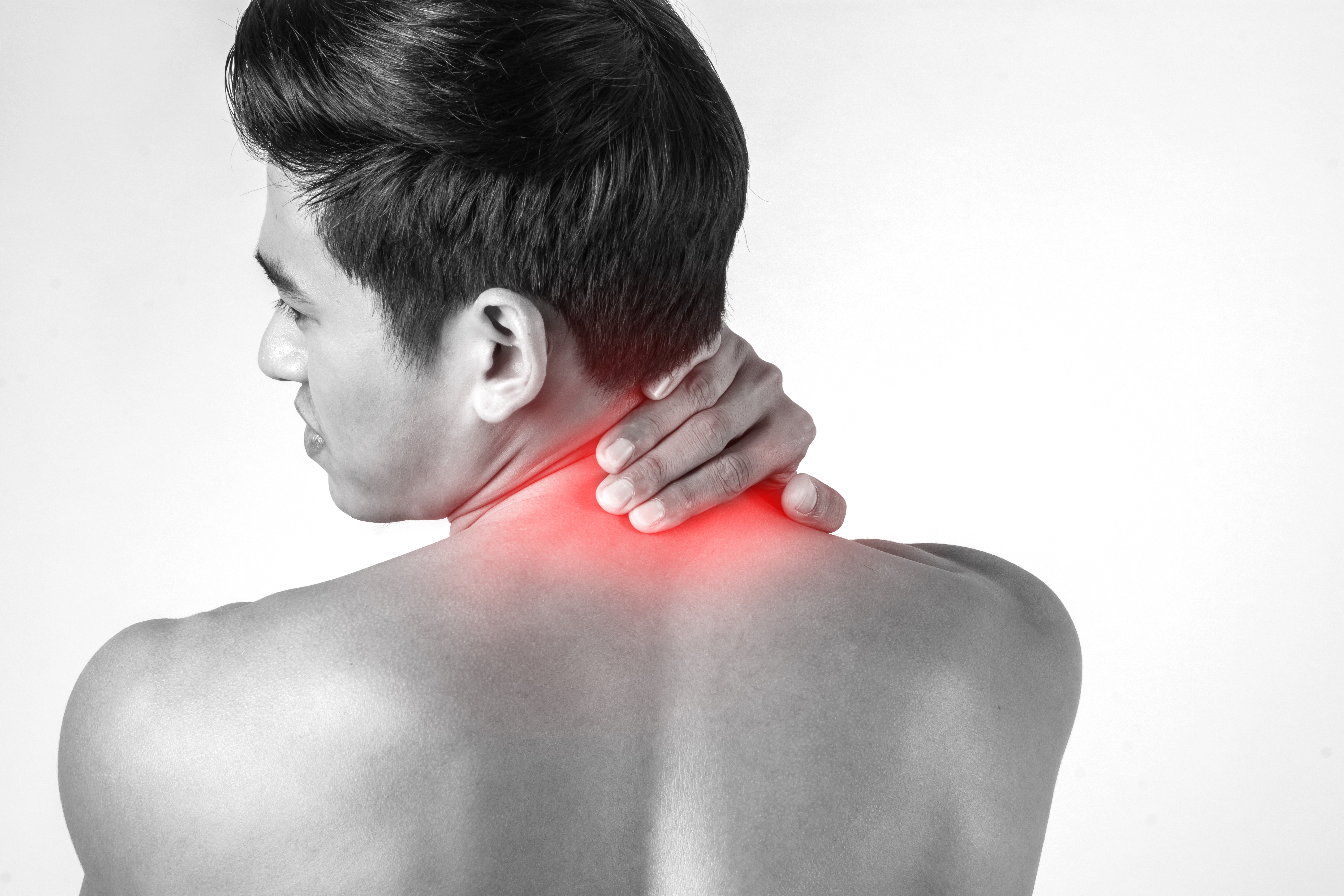
Degenerative Disc Disease
Age-related wear and tear causing discs to lose height and cushioning ability, leading to chronic pain and stiffness. Regenerative therapies and strengthening programs slow progression and reduce discomfort.
Sports-Related Back Injuries
Acute injuries from athletic activities including muscle strains, ligament sprains, or stress fractures. Sports medicine approach combining rapid pain relief with functional rehabilitation gets you back in action.

Pregnancy-Related Back Pain
Lower back and pelvic pain during or after pregnancy from hormonal changes and postural stress. Safe, gentle treatments and specialized exercises provide relief without medications harmful to baby.

Work-Related Back Pain
Pain from prolonged sitting at desks, repetitive lifting, or poor ergonomics causing muscle fatigue and spinal stress. Workplace assessment, ergonomic corrections, and targeted therapy prevent recurrence while healing.
What Our Patients Say
Your recovery story could be next.
Nikhil Bhagat
Imran Patel
Arya bhosale
Pallavi Shinde
Bhagyashree Korde
Shubham Gaikwad
Why Choose Us for Back Pain Treatment in Wakad,PCMC?

Expert Spine Specialists & Physiotherapists
Years of experience in treating chronic and acute back pain.

Personalized Treatment
Every person™s body and condition is different ” and so is your treatment plan.

Advanced, Non-Surgical Methods
We focus on natural healing, physiotherapy, and modern pain-relief techniques.
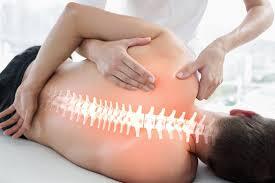
Latest Physiotherapy Technology
Electrotherapy, manual therapy, spinal decompression & more.

High Success Rates
Thousands of patients have improved their posture, mobility, and strength safely.
FREQUENTLY ASKED QUESTIONS
1. What is the best treatment for back pain in Wakad,PCMC ?
The best treatment combines physiotherapy, manual therapy, and strengthening exercises tailored to your specific condition. Most patients benefit from non-surgical methods like spinal mobilization, core training, and pain-relief therapy. A personalized approach ensures long-term relief, better posture, and improved mobility without relying on medication or surgery.
2. When should I see a doctor for back pain?
You should consult a specialist if your back pain lasts more than a week, keeps returning, radiates down your leg, or affects daily activities like sitting, bending, or walking. Persistent pain, numbness, or muscle weakness may indicate conditions like slip disc or sciatica that require early evaluation.
3. Can physiotherapy cure back pain permanently?
Yes, physiotherapy can permanently relieve back pain by addressing the root cause through strengthening, posture correction, and mobility improvement. It reduces pain, improves stability, and prevents recurrence. With consistent sessions and guided exercises, most patients recover safely without medications or surgery, enjoying long-term results and better movement.
4. What causes lower back pain?
Lower back pain commonly results from muscle strain, poor posture, slip disc, long sitting hours, weak core, or sciatica. Stress, lack of exercise, and sudden movements can also trigger pain. Identifying the exact cause helps create a personalized treatment plan that ensures faster recovery and prevents future issues.
5. How long does back pain treatment take?
Treatment time depends on the severity of your condition. Mild pain may improve within 12 weeks, while chronic or slip disc cases typically need 36 weeks. Regular physiotherapy, guided exercises, and lifestyle corrections significantly speed up recovery and ensure lasting, effective relief from back pain.
6. Are home exercises helpful for back pain?
Yes, home exercises like stretching, core strengthening, and posture correction significantly reduce back pain when done regularly. They support physiotherapy sessions, improve muscle balance, and prevent future pain. However, exercises must be recommended by a specialist to ensure proper technique and avoid worsening the condition.