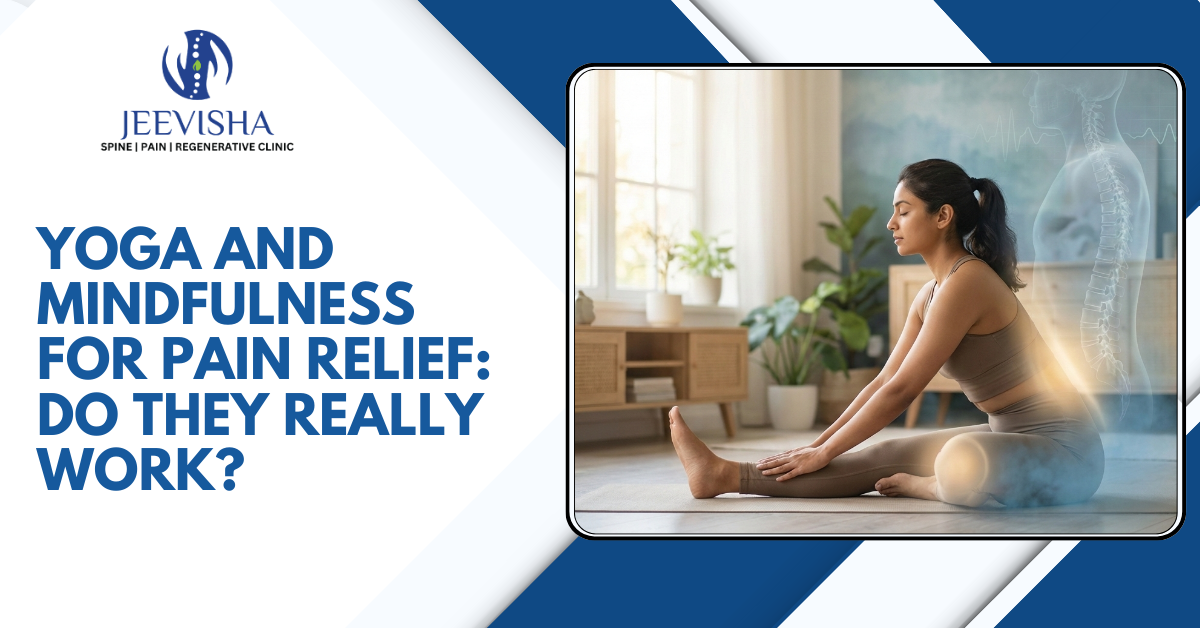
Living with pain whether it’s persistent back pain, stiff joints, neck discomfort, or widespread chronic pain can take a toll on both the body and the mind. Many people start their journey with medications, physiotherapy, or injections, only to realize that relief is temporary or comes with side effects. That’s why yoga and mindfulness have gained so much attention as natural, holistic approaches to pain relief.
But an important question remains: do yoga and mindfulness really work for pain relief, or are they just wellness trends? Let’s explore what science, doctors, and real-world experience have to say.
Understanding Pain and the Mind–Body Connection
Pain isn’t just a physical sensation—it’s deeply connected to how our brain, nervous system, emotions, and stress levels interact.
Acute vs Chronic Pain
Acute pain is short-term, often caused by injury or surgery.
Chronic pain lasts longer than three months and may continue even after the original injury has healed.
In chronic pain conditions, the nervous system can become overactive, constantly sending pain signals to the brain. Stress, anxiety, poor sleep, and emotional strain can amplify these signals, making pain feel more intense. This is where the mind–body connection becomes crucial. When the mind is constantly stressed, the body remains tense, creating a cycle that keeps pain alive. Yoga and mindfulness aim to break this cycle.
What Is Yoga and How Does It Help with Pain Relief?
Yoga is much more than stretching or physical exercise. It combines movement, breath control, posture awareness, and relaxation, all of which play a role in pain management.
How Yoga Works for Pain Management
- Improves flexibility and joint mobility
- Strengthens muscles that support the spine and joints
- Enhances posture, reducing mechanical stress
- Calms the nervous system through controlled breathing
- Reduces muscle tension and inflammation
Over time, these effects can reduce both pain intensity and pain-related disability.
Types of Yoga Used for Pain Relief
Not all yoga styles are intense. For people with pain, gentler approaches are often best:
- Gentle yoga for beginners and pain patients
- Therapeutic yoga guided by trained professionals
- Restorative yoga focused on deep relaxation
- Somatic yoga that retrains the nervous system
Conditions Yoga Commonly Helps With
- Back pain and neck pain
- Joint pain and arthritis
- Fibromyalgia and widespread pain
- Stress-related muscle pain
- Inflammation-related discomfort
At specialized centers like Jeevisha Spine Pain Regenerative Clinic, yoga is often recommended as a supportive therapy alongside medical pain treatments for long-term recovery.
What Is Mindfulness and How Does It Reduce Pain?
Mindfulness is the practice of paying attention to the present moment—without judgment. Instead of fighting pain or fearing it, mindfulness teaches people to observe sensations calmly.
Mindfulness-Based Pain Relief
One of the most researched approaches is Mindfulness-Based Stress Reduction (MBSR). It helps people understand that pain and suffering are not always the same. While pain may still exist, the emotional distress around it can be reduced.
Mindfulness Techniques for Pain Management
- Body scan meditation to notice tension and release it
- Breathing techniques to calm the nervous system
- Awareness practices to reduce fear and catastrophizing
- Acceptance-based approaches that reduce resistance to pain
Mental Health and Pain Control
Chronic pain is often linked with anxiety, depression, and sleep disturbances. Mindfulness helps regulate the nervous system, lower stress hormones, and improve emotional resilience leading to better pain control.
The Science Behind Yoga and Mindfulness for Pain Relief
Research increasingly supports the effectiveness of both practices:
- Studies show yoga can reduce pain severity and improve function in people with chronic back pain, arthritis, and fibromyalgia.
- Mindfulness meditation has been shown to change how the brain processes pain, reducing pain perception.
- Brain imaging studies reveal decreased activity in pain-related brain regions after mindfulness training.
Doctors and pain specialists now recognize yoga and mindfulness as evidence-based complementary therapies, especially when used alongside medical treatment plans.
Yoga vs Medication vs Physiotherapy – Which Works Better?
There’s no single solution that works for everyone.
- Medication can provide fast relief but may cause side effects or dependency.
- Physiotherapy focuses on physical rehabilitation and movement correction.
- Yoga and mindfulness address both physical and emotional aspects of pain.
Many pain experts agree that a combination approach works best. Clinics such as Jeevisha Spine Pain Regenerative Clinic often integrate movement therapy, regenerative treatments, and mindfulness-based strategies to achieve more sustainable outcomes.
Realistic Benefits: What Yoga and Mindfulness Can and Cannot Do
What They Can Do
- Reduce pain intensity over time
- Improve flexibility, balance, and posture
- Enhance sleep quality
- Reduce stress, anxiety, and fear of movement
- Improve overall quality of life
What They Cannot Do
- Instantly cure structural damage
- Replace necessary medical or surgical care
- Work without consistency and proper guidance
How Long Does It Take to See Results?
Some people notice improvements within weeks, while others may take a few months. Consistency is key.
How to Get Started Safely with Yoga and Mindfulness
Tips for Beginners with Pain
- Start slow and avoid pushing through pain
- Choose pain-specific or beginner-friendly classes
- Work with certified instructors or therapists
- Inform instructors about your condition
At-Home vs Guided Programs
- Online yoga programs can be convenient
- Mindfulness apps help build daily habits
- Professional guidance is essential for complex or severe pain
Many patients benefit from structured programs recommended by specialists at Jeevisha Spine Pain Regenerative Clinic, where safety and personalization are prioritized.
Who Should Consider Yoga and Mindfulness for Pain Management?
People with chronic back, neck, or joint pain
Individuals seeking non-pharmaceutical pain relief
Patients dealing with stress-related pain
Those looking to support medical or regenerative treatments
These practices are especially helpful for people who want long-term pain control rather than temporary relief.
Frequently Asked Questions (FAQs)
- Do yoga and mindfulness really work for pain?
Yes, research and clinical experience show they can significantly reduce pain and improve function when practiced regularly. - Can mindfulness change pain perception?
Absolutely. Mindfulness helps the brain process pain differently, reducing emotional suffering. - Is yoga safe for chronic pain patients?
Yes, when done under proper guidance and adapted to individual limitations. - How often should I practice yoga for pain relief?
Even 20–30 minutes, 3–4 times a week, can be beneficial. - Is mindfulness better than medication for pain?
It’s not a replacement but can reduce reliance on medications over time.
Do Yoga and Mindfulness Really Work for Pain Relief?
Yoga and mindfulness are not quick fixes, but they are powerful tools in modern pain management. By addressing both the physical body and the nervous system, they help people move better, feel calmer, and regain control over their lives. When combined with expert medical care, these practices can significantly enhance long-term outcomes.
If you’re looking for a holistic and medically guided approach, consulting a trusted Pain Management Clinic in PCMC can help you explore personalized solutions that combine advanced treatments with yoga, mindfulness, and regenerative care for lasting relief.