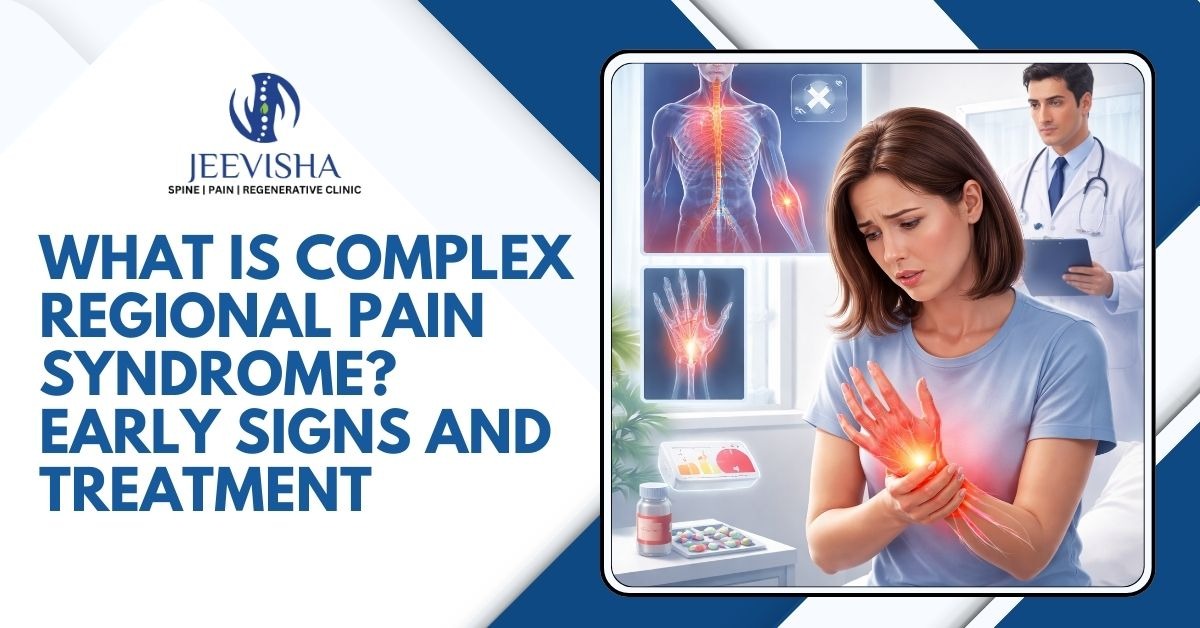
Pain after an injury or surgery is normal and usually improves with time. But sometimes, the pain does not go away—in fact, it may become more intense and persistent. One condition that can cause this type of prolonged pain is Complex Regional Pain Syndrome (CRPS).
Complex Regional Pain Syndrome is a chronic nerve pain condition that typically develops after an injury, surgery, fracture, or trauma. It usually affects an arm, hand, leg, or foot and causes symptoms such as burning pain, swelling, skin color changes, and extreme sensitivity to touch.
The challenging part about CRPS is that the pain can feel much more severe than the original injury. Because of this, early diagnosis and proper treatment are very important to prevent long-term complications. Clinics that specialize in pain management, such as Jeevisha Spine Pain Regenerative Clinic, often focus on identifying these symptoms early and guiding patients toward appropriate treatment options.
In this article, we’ll explore what Complex Regional Pain Syndrome is, its early signs, causes, stages, diagnosis, and available treatment options to help you better understand this condition.
What Is Complex Regional Pain Syndrome (CRPS)?
Complex Regional Pain Syndrome is a long-term chronic pain disorder that usually develops after physical trauma. The condition affects the nervous system, causing abnormal pain signals that make the body react more strongly to pain than usual.
In people with CRPS, the affected area—often an arm or leg—becomes extremely sensitive. Even a light touch or slight movement may cause significant discomfort.
Doctors believe that CRPS occurs due to a malfunction in the peripheral and central nervous systems, which disrupts the way the brain processes pain signals.
Types of CRPS
CRPS is generally divided into two main types:
CRPS Type 1 (Reflex Sympathetic Dystrophy – RSD)
This is the most common form of CRPS and occurs without direct nerve damage. It usually develops after injuries such as fractures, sprains, or surgery.
CRPS Type 2 (Causalgia)
This type occurs after a specific nerve injury. The symptoms are similar to CRPS Type 1 but are directly linked to nerve damage.
Although the two types have different causes, both lead to chronic nerve pain and sensitivity in the affected limb.
Early Signs And Symptoms of Complex Regional Pain Syndrome
Recognizing the early signs of Complex Regional Pain Syndrome (CRPS) is important because early treatment can help prevent the condition from worsening.
Common Early Symptoms
The early stage of CRPS often includes the following symptoms:
Burning or Throbbing Pain
One of the earliest signs of Complex Regional Pain Syndrome is a persistent burning or throbbing pain in the affected limb. The pain may feel much stronger than expected from the original injury. It can worsen with movement or touch and may continue even after the injury has healed.
Extreme Sensitivity to Touch
People with CRPS often experience extreme sensitivity to touch, known as allodynia. Even light contact from clothing, a blanket, or gentle pressure can cause intense pain. This unusual sensitivity occurs because the nervous system becomes overly reactive, sending stronger pain signals to the brain.
Swelling in the Affected Area
Swelling is another common early symptom of CRPS. The affected limb may appear puffy or inflamed and can remain swollen for long periods. This swelling occurs due to abnormal inflammatory responses in the body and may fluctuate throughout the day depending on activity and circulation.
Skin Temperature Changes
Changes in skin temperature are frequently noticed in the early stages of CRPS. The affected area may feel warmer or colder than the surrounding skin. These temperature differences occur because the condition affects blood flow and nerve signals that regulate circulation in the affected limb.
Skin Color Changes
CRPS can cause noticeable changes in skin color around the affected area. The skin may appear red, pale, bluish, or purple at different times. These changes happen because the condition disrupts normal blood circulation and affects the way blood vessels respond to nerve signals.
Joint Stiffness and Limited Movement
People with CRPS may begin to experience stiffness in the joints near the affected area. This stiffness can make it difficult to move the limb normally and may gradually reduce flexibility. Over time, lack of movement and ongoing pain can lead to decreased mobility and discomfort.
Muscle Weakness or Spasms
Muscle weakness or sudden muscle spasms may develop in the affected limb. These symptoms occur because the nervous system is not sending normal signals to the muscles. As a result, muscles may feel weak, tight, or uncoordinated, making everyday activities such as lifting or walking more difficult.
Advanced Symptoms
If CRPS progresses, additional symptoms may appear, including:
- Reduced mobility in the affected limb
- Muscle wasting
- Bone loss
- Persistent chronic pain
- Increased sensitivity to cold
These symptoms can significantly affect daily activities if not treated early.
Causes of Complex Regional Pain Syndrome
The exact cause of Complex Regional Pain Syndrome (CRPS) is not fully understood. However, it is often triggered by injury or trauma to the body.
Common Causes
Some of the most common triggers include:
1. Injury or Physical Trauma
One of the most common causes of Complex Regional Pain Syndrome is physical trauma such as fractures, sprains, or soft tissue injuries. Even a minor injury can sometimes trigger abnormal pain responses in the nervous system. The body continues to send strong pain signals to the brain even after the original injury has healed.
2. Surgery
Some people develop CRPS after undergoing surgery. During surgical procedures, tissues and nerves may be affected, which can sometimes disrupt normal pain signaling pathways. Although most patients recover normally, a small number may experience persistent nerve sensitivity that eventually leads to Complex Regional Pain Syndrome.
3. Nerve Damage
Direct damage to a nerve can also cause CRPS. When nerves are injured, they may send incorrect pain signals to the brain. This abnormal communication between the nerves and the brain can lead to continuous pain, swelling, and sensitivity in the affected area even after the nerve injury itself begins to heal.
4. Stroke or Heart Attack
In some cases, Complex Regional Pain Syndrome develops after major medical events such as a stroke or heart attack. These conditions can affect the nervous system and blood circulation, which may disrupt normal nerve signaling. As a result, patients may develop pain, swelling, and temperature changes in a limb.
5. Immune System and Inflammatory Response
Researchers believe that the immune system may play a role in the development of CRPS. After an injury, the body releases inflammatory chemicals to support healing. However, in some individuals, this inflammatory response becomes excessive and affects nerve function, leading to prolonged pain and other symptoms associated with CRPS.
Risk Factors
Certain factors may increase the likelihood of developing CRPS, such as:
- Previous nerve injuries
- Severe trauma
- Genetic susceptibility
- Certain inflammatory conditions
Stages of Complex Regional Pain Syndrome
Complex Regional Pain Syndrome (CRPS) is often described in three stages, although not every patient progresses through all of them.
Stage 1: Acute Stage
This stage usually lasts for the first few months.
Symptoms may include:
- Severe burning pain
- Swelling
- Increased sensitivity to touch
- Skin temperature changes
- Faster nail and hair growth
Stage 2: Dystrophic Stage
During this stage, symptoms become more noticeable.
Common signs include:
- Persistent pain
- Increased stiffness
- Thickened skin
- Reduced movement in the joints
Stage 3: Atrophic Stage
This is the most advanced stage.
Symptoms may include:
- Severe movement limitations
- Muscle wasting
- Chronic long-term pain
- Permanent tissue changes
Early diagnosis can help prevent the condition from reaching advanced stages.
How Is Complex Regional Pain Syndrome Diagnosed?
Diagnosing Complex Regional Pain Syndrome (CRPS) can be challenging because there is no single test that confirms the condition. Doctors usually rely on a combination of symptoms, physical examination, and medical history.
Physical Examination
Doctors check for symptoms such as:
- Skin color changes
- Temperature differences
- Swelling
- Sensitivity to touch
Diagnostic Tests
Certain tests may help support the diagnosis, including:
X-rays
These may reveal bone loss in later stages.
Bone Scans
Used to detect changes in bone metabolism.
MRI Scans
Helpful for identifying tissue changes and inflammation.
Thermography
This test measures temperature differences between limbs.
Budapest Diagnostic Criteria
Doctors often use the Budapest criteria, an internationally accepted method, to diagnose CRPS based on specific symptoms and physical findings.
Treatment Options for Complex Regional Pain Syndrome
There is currently no single cure for Complex Regional Pain Syndrome (CRPS), but early and comprehensive treatment can help manage symptoms and improve quality of life.
Medications
Doctors may prescribe medications such as:
- Pain relievers
- Anti-inflammatory drugs
- Nerve pain medications
- Antidepressants for chronic pain management
Physical Therapy
Physical therapy plays a key role in CRPS recovery. It helps improve mobility, strengthen muscles, and reduce stiffness.
Exercises may include:
- Gentle stretching
- Range-of-motion exercises
- Gradual limb strengthening
Nerve Blocks
Nerve block injections may help reduce pain signals and provide temporary relief.
Spinal Cord Stimulation
In some cases, doctors recommend spinal cord stimulation, where small electrical impulses are used to block pain signals before they reach the brain.
Regenerative and Pain Management Therapies
Some advanced treatments focus on reducing inflammation, improving nerve function, and promoting healing in affected tissues. Specialized centers like Jeevisha Spine Pain Regenerative Clinic also emphasize comprehensive pain management approaches that combine modern therapies with rehabilitation techniques.
Can Complex Regional Pain Syndrome Be Prevented?
While Complex Regional Pain Syndrome (CRPS) cannot always be prevented, certain steps may help reduce the risk.
These include:
- Early treatment after injuries
- Proper rehabilitation after surgery
- Physical therapy to maintain mobility
- Following medical advice during recovery
Prompt care after trauma may help lower the chances of developing chronic nerve pain conditions like CRPS.
When Should You See a Doctor?
You should seek medical attention if you experience:
- Persistent burning pain after an injury
- Severe sensitivity to touch
- Unexplained swelling in a limb
- Skin color or temperature changes
- Difficulty moving an arm or leg
Early diagnosis is essential because CRPS responds better to treatment when addressed early.
Living With Complex Regional Pain Syndrome
Living with CRPS can be physically and emotionally challenging. However, with proper medical care and lifestyle adjustments, many people can manage their symptoms effectively.
Helpful strategies include:
- Following a consistent physical therapy routine
- Practicing stress-management techniques
- Maintaining a healthy lifestyle
- Seeking emotional support if needed
Pain management specialists often recommend a multidisciplinary approach to help patients regain function and improve their quality of life.
Frequently Asked Questions
What causes Complex Regional Pain Syndrome?
Complex Regional Pain Syndrome (CRPS) usually develops after an injury, surgery, fracture, or nerve damage. The condition occurs when the nervous system sends abnormal pain signals to the brain.
Inflammation and immune responses may also play a role, causing symptoms such as:
- Burning pain
- Swelling
- Skin color changes
- Extreme sensitivity in the affected limb
Is CRPS a permanent condition?
CRPS is not always permanent. In many cases, symptoms improve with early diagnosis and proper treatment.
- Physical therapy
- Medications
- Pain management strategies
These treatments can help reduce pain and restore movement. If the condition is not treated early, some people may experience long-term symptoms that require ongoing care.
Can CRPS spread to other parts of the body?
In some cases, CRPS may spread from the original affected limb to nearby areas or even the opposite limb. This does not happen to everyone, but it is possible when the nervous system continues sending abnormal pain signals.
Early treatment and proper pain management can help reduce the chances of the condition spreading.
How long does CRPS last?
The duration of Complex Regional Pain Syndrome varies from person to person.
- Some people recover within a few months with early treatment
- Others may experience symptoms for several years
Early diagnosis, physical therapy, and proper pain management help improve recovery time and reduce long-term complications.
What is the best treatment for CRPS?
The best treatment for CRPS usually involves a combination of therapies.
- Medications
- Physical therapy
- Nerve block injections
- Pain management techniques
Early treatment is important because it can reduce pain, improve mobility, and prevent the condition from progressing to severe stages.
Conclusion
Complex Regional Pain Syndrome (CRPS) is a serious chronic pain condition that can develop after injury, surgery, or nerve damage. It often causes symptoms such as burning pain, swelling, skin changes, and extreme sensitivity to touch.
Because CRPS can worsen over time, early recognition of symptoms and timely treatment are essential. With proper diagnosis and a comprehensive treatment plan, many people can manage their symptoms and maintain a good quality of life.
If you notice persistent pain or unusual changes in a limb after an injury, it is important to consult a healthcare professional for evaluation and appropriate care.