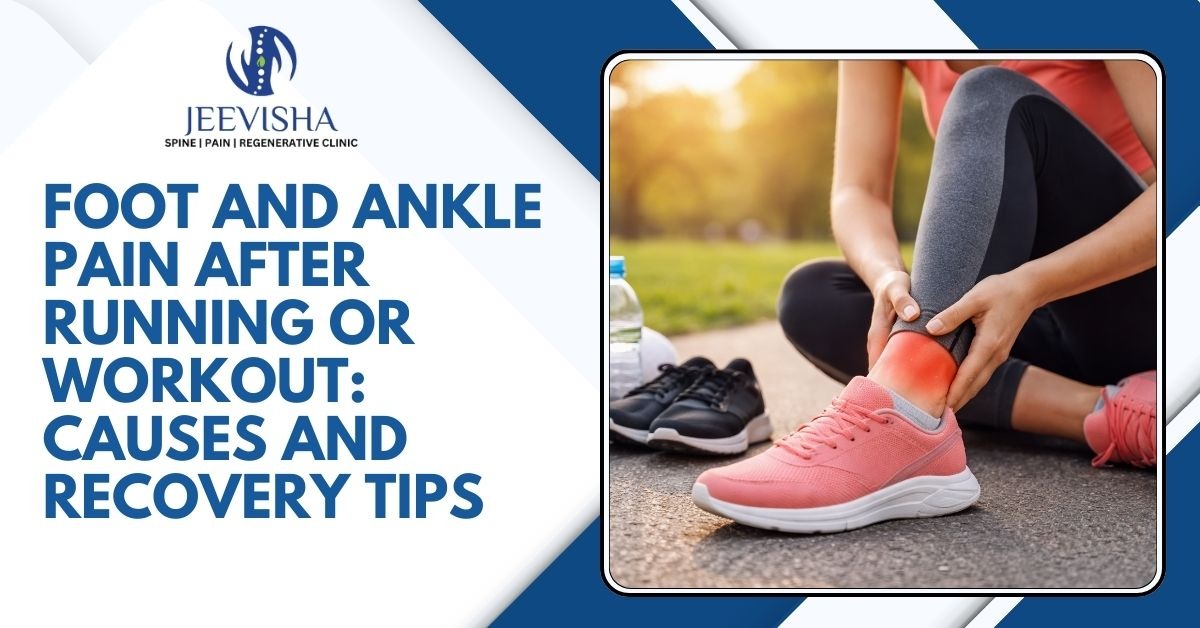
Running, jogging, and gym workouts are excellent ways to stay fit and improve overall health. However, many people experience foot and ankle pain after running or working out, especially when they increase their activity level or try a new exercise routine. While mild soreness can be normal after intense activity, persistent pain in the feet or ankles should not be ignored.
Whether you're a beginner starting a fitness journey or a regular runner, understanding the causes of ankle pain after exercise and knowing how to recover properly can help prevent long-term injuries. In this guide, we’ll explore the common reasons behind foot and ankle discomfort, effective recovery tips, and simple ways to prevent these issues in the future.
Why Do Foot and Ankle Pain Occur After Running or Workout?
Your feet and ankles absorb a significant amount of impact during physical activities like running, jumping, and weight training. When these joints and muscles are under constant stress, it can lead to pain or soreness.
Some of the most common reasons for foot pain after workout or ankle pain after exercise include:
Overuse of Muscles and Joints
Lack of Proper Warm-Up
Sudden Increase in Workout Intensity
Poor Running Technique
Inadequate Footwear
Repetitive movement during running or intense workouts can strain muscles, ligaments, and tendons around the ankle and foot. Over time, this stress can lead to inflammation and pain.
Jumping straight into intense exercise without warming up can increase the risk of muscle stiffness and joint strain.
Increasing your running distance, speed, or workout intensity too quickly can overload the muscles and joints, causing discomfort.
Improper running posture or incorrect foot placement can create unnecessary pressure on the ankles and feet.
Shoes that lack proper cushioning or support can contribute to sore ankles after running and increase the risk of injury.
Common Causes of Foot and Ankle Pain After Running
Understanding the root cause of the pain can help determine the right treatment and recovery approach.
Overuse Injuries
Overuse injuries are common among runners and athletes who train frequently. Repetitive stress on the feet and ankles can lead to inflammation in muscles and tendons.
These injuries often develop gradually and may worsen if the affected area doesn’t get enough rest.
Ankle Sprain or Strain
An ankle sprain occurs when the ligaments that support the ankle are stretched or torn. This can happen if the foot twists unexpectedly during a workout or while running on uneven surfaces.
Symptoms may include swelling, bruising, and difficulty walking.
Plantar Fasciitis
Plantar fasciitis is one of the most common causes of heel and foot pain after running. It occurs when the thick band of tissue that runs along the bottom of the foot becomes inflamed.
People with plantar fasciitis usually feel sharp pain in the heel, especially during the first steps in the morning.
Achilles Tendinitis
The Achilles tendon connects your calf muscles to your heel bone. Excessive running or jumping can irritate this tendon, leading to pain and stiffness at the back of the ankle.
Athletes and runners who suddenly increase their training intensity are more prone to this condition.
Stress Fractures
Stress fractures are tiny cracks in the bones caused by repetitive impact. These injuries are common in runners who train intensely without allowing enough recovery time.
If untreated, stress fractures can worsen and require a longer healing period.
Improper Running Shoes
Wearing worn-out or poorly designed running shoes can reduce shock absorption and support, leading to ankle pain after jogging or gym workouts.
Symptoms That May Accompany Foot and Ankle Pain
Foot and ankle pain can present in different ways depending on the underlying cause. Some common symptoms include:
- Swelling around the ankle joint
- Sharp or throbbing pain while walking or running
- Stiffness in the ankle or foot
- Tenderness when touching the affected area
- Bruising or redness
- Difficulty bearing weight on the foot
If these symptoms persist for several days or worsen over time, it may indicate a more serious issue.
Recovery Tips for Foot and Ankle Pain After Exercise
Recovering properly is essential to prevent further injury and allow the muscles and joints to heal.
Rest and Avoid Overtraining
Rest is essential for healing foot and ankle pain after exercise. Continuous running or intense workouts can worsen the condition and delay recovery. Taking a short break from high-impact activities allows the muscles, tendons, and ligaments to repair naturally. Gradually return to workouts once the pain and inflammation have reduced.
Ice Therapy
Applying ice to the affected foot or ankle can help reduce swelling and inflammation after intense exercise. Wrap an ice pack in a cloth and place it on the painful area for about 15–20 minutes. This simple method helps numb the pain, improve circulation, and support faster recovery after running or workouts.
Compression and Elevation
Using a compression bandage around the ankle helps minimize swelling and provides support to the injured area. Elevating the foot above heart level improves blood circulation and reduces fluid buildup. This combination is especially helpful after running or gym workouts when the ankle feels sore, swollen, or tender.
Gentle Stretching Exercises
Gentle stretching can help loosen tight muscles and improve flexibility in the feet and ankles. Simple stretches for the calves, Achilles tendon, and ankle joints can relieve stiffness and reduce discomfort. Performing these exercises regularly after workouts helps improve mobility and lowers the risk of recurring pain or injury.
Pain Relief Options
If the pain is mild but uncomfortable, over-the-counter pain relief medications may help reduce inflammation and discomfort. However, these should only be taken if recommended by a healthcare professional. Combining medication with rest, ice therapy, and stretching can support faster healing and help you return to normal physical activity safely.
If the pain does not improve with these basic steps, consulting specialists at Jeevisha Spine Pain Regenerative Clinic can help identify the underlying cause and guide you toward the right treatment options.
Best Stretches to Reduce Ankle and Foot Pain
Regular stretching can improve flexibility and reduce the risk of injury.
Calf Stretch
The calf stretch helps loosen tight calf muscles that often contribute to ankle and foot pain. Stand facing a wall, place one foot behind the other, and keep the back heel on the floor. Lean forward gently until you feel a stretch in the calf. Hold for 20–30 seconds.
Achilles Tendon Stretch
This stretch targets the Achilles tendon, which connects the calf muscles to the heel. Stand with one foot slightly behind the other and bend the front knee while keeping the back leg straight. Lean forward slowly to feel a stretch at the back of the ankle. Hold briefly and repeat.
Ankle Rotations
Ankle rotations improve joint mobility and reduce stiffness after workouts or running. Sit comfortably and lift one foot slightly off the ground. Slowly rotate your ankle in a circular motion, first clockwise and then counterclockwise. Perform the movement gently for about 10–15 repetitions to improve flexibility.
Toe Stretch
The toe stretch helps relieve tension in the bottom of the foot and supports the plantar fascia. Sit in a relaxed position and gently pull your toes back toward your body using your hand. Hold the stretch for around 20–30 seconds to help reduce foot tightness and discomfort.
How to Prevent Foot and Ankle Pain While Running or Working Out
Preventing injuries is always better than treating them later. Following a few simple habits can greatly reduce the risk of ankle pain after running.
1. Warm Up Before Exercise
Always begin your workout with a proper warm-up to prepare your muscles, joints, and ligaments for activity. Light jogging, ankle rotations, and dynamic stretches improve blood circulation and flexibility, helping reduce the risk of sudden strain or injury to the feet and ankles during workouts.
2. Increase Workout Intensity Gradually
Avoid increasing your running distance, speed, or workout intensity too quickly. Gradual progression allows your muscles, tendons, and joints to adapt to the stress of exercise. This approach helps prevent overuse injuries and reduces the chances of experiencing ankle pain after running.
3. Wear Proper Running Shoes
Choosing the right footwear is essential for protecting your feet and ankles. Good running shoes provide cushioning, arch support, and shock absorption, which help reduce impact during workouts. Replace worn-out shoes regularly to maintain proper support and prevent unnecessary strain on the joints.
4. Maintain Correct Running Form
Running with proper posture and technique can significantly reduce pressure on your feet and ankles. Keep your body upright, land softly on your feet, and avoid overstriding. Good running form helps distribute impact evenly and lowers the risk of ankle and foot injuries.
5. Strengthen Ankle Muscles
Performing ankle-strengthening exercises can improve stability and balance. Exercises like calf raises, resistance band workouts, and balance drills strengthen the muscles around the ankle joint. Stronger muscles provide better support during running or workouts and help prevent sprains and strains.
When Should You See a Doctor for Ankle Pain?
While mild soreness may resolve with rest and home care, certain symptoms require medical attention.
Consult a healthcare professional if:
- Pain lasts more than a few days
- Swelling or bruising becomes severe
- You cannot put weight on the foot
- Pain worsens during physical activity
- The ankle feels unstable
Early evaluation at a specialized center such as Jeevisha Spine Pain Regenerative Clinic can help diagnose the problem accurately and prevent the condition from worsening. People experiencing persistent discomfort can also consider consulting experts who provide foot and ankle pain treatment In Wakad for a detailed assessment and personalized care plan.
Lifestyle Tips for Healthy Feet and Ankles
Maintaining overall health plays an important role in preventing injuries.
Some helpful habits include:
- Staying well hydrated
- Eating a balanced diet rich in calcium and vitamin D
- Maintaining a healthy body weight
- Performing regular mobility and flexibility exercises
- Giving your body adequate rest between workouts
These habits support stronger bones, muscles, and joints.
Conclusion
Experiencing foot and ankle pain after running or a workout is quite common, especially for beginners or individuals increasing their training intensity. While mild soreness can occur due to muscle fatigue, persistent pain may indicate an underlying issue such as overuse injury, tendon inflammation, or improper footwear.
By understanding the causes, practicing proper recovery techniques, and following preventive measures, you can keep your feet and ankles healthy while continuing your fitness routine. Listening to your body, maintaining proper exercise habits, and addressing pain early can help you stay active and injury-free for the long term.