
Shoulder pain has become one of the most frequent complaints in today’s lifestyle—from desk workers and fitness enthusiasts to homemakers. Whether it’s a dull ache or sharp discomfort, most shoulder pain isn’t caused by serious medical issues—it’s often the result of simple everyday mistakes. Ignoring these mistakes can lead to conditions like frozen shoulder, rotator cuff injuries, or tendonitis. The good news is that you can prevent these mistakes. With the right awareness and daily habits, you can easily avoid shoulder pain and keep your joints healthy.
Let’s explore the 10 most common mistakes that cause shoulder pain — and what you can do to prevent them.
1. Ignoring Poor Posture
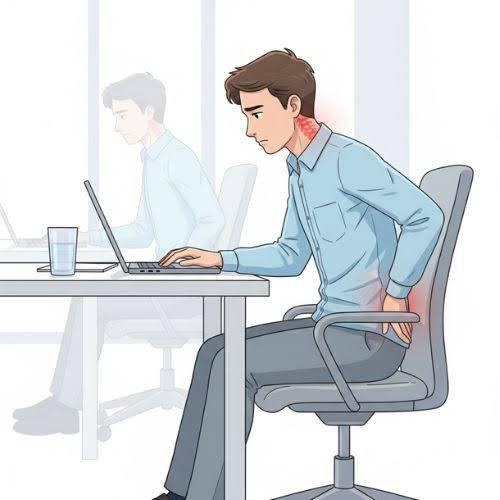
Posture is everything when it comes to shoulder health. In today’s digital lifestyle, most people spend hours hunched over phones or laptops. This causes the shoulders to round forward, tightening the chest muscles and weakening the upper back. The result? Constant pressure on your shoulder joints and neck.
How Poor Posture Affects Your Shoulder
- Leads to muscle imbalance between front (chest) and back (shoulder stabilizers).
- Causes compression in the shoulder joint, leading to inflammation.
- Triggers neck tension, headaches, and even nerve irritation.
How to Fix It
- Sit upright, keeping your head aligned with your spine.
- Keep your computer or mobile screen at eye level.
- Use a lumbar support cushion to maintain natural spine curvature.
- Stretch your chest and strengthen your back with exercises like rows or scapular squeezes.
2. Skipping Warm-Up and Stretching

Whether you’re an athlete or simply doing household chores, skipping warm-ups is a recipe for shoulder injury. The shoulder joint relies on coordinated movement of muscles and tendons; cold muscles are less elastic and prone to tears.
Why It’s a Mistake
- This mistake leads to a reduction in blood flow to the shoulder tissues.
- Increases the risk of strain or tendon inflammation.
- Limits joint mobility, making movements feel tight or painful.
How to Fix It
- Spend at least 5–10 minutes on shoulder-specific stretches.
- Do gentle arm circles, wall slides, and band pull-aparts.
- If you exercise regularly, add dynamic mobility work like “shoulder dislocates” with a resistance band.
- Warm shoulders move better, lift better, and hurt less.
3. Lifting Weights Incorrectly

Lifting weights builds strength—but when done wrong, it’s one of the fastest ways to damage your shoulders. Poor form or overloading the bar puts stress on the rotator cuff, the small but vital group of muscles that stabilize your shoulder.
Common Lifting Mistakes
- Overhead pressing with a forward-tilted neck or rounded back.
- Performing bench presses with elbows flared too wide.
- Smaller stabilizing muscles are neglected in favor of heavy lifts.
How to Fix It
- Master proper form before adding heavy loads.
- Strengthen rotator cuff muscles with internal and external rotation exercises.
- Never train through pain—if something hurts, stop immediately.
- Warm up shoulders with lighter sets before heavier lifts.
4. Overusing Your Shoulder Without Rest
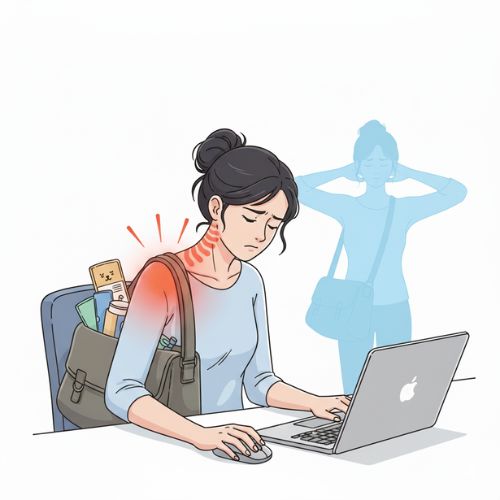
If you spend long hours typing, carrying bags, or doing repetitive chores, your shoulders rarely get a break. Overuse is one of the most overlooked causes of shoulder pain, leading to repetitive strain injury (RSI).
Why Overuse Hurts
- Continuous motion irritates tendons and soft tissues.
- Muscles fatigue, losing their ability to support joints.
- Micro-tears form, resulting in inflammation and pain.
How to Fix It
- Take short breaks every 30 minutes to move and stretch.
- Alternate carrying sides when lifting bags or weights.
- Practice shoulder rolls to relax tension during work hours.
- Schedule a “rest day” in your exercise routine.
5. Sleeping in the Wrong Position

Many people wake up with sore or stiff shoulders without realizing their sleeping position is to blame. Sleeping directly on your shoulder compresses the joint and irritates surrounding tissues.
Wrong Sleeping Habits
- Sleeping on the same shoulder every night.
- Using overly thick or flat pillows that misalign your neck.
- Curling the upper arm under your head.
How to Fix It
- Sleep on your back or the non-painful side.
- Use a supportive pillow that keeps your head level with your spine.
- Place a soft cushion under your arm for added comfort.
6. Ignoring Early Signs of Pain

One of the worst mistakes people make is pushing through mild shoulder discomfort. Pain is a warning signal—ignoring it often leads to chronic conditions such as tendinitis, bursitis, or frozen shoulder.
Why Ignoring Pain Is Dangerous
- Small inflammations can worsen into tears or stiffness.
- Early intervention becomes more difficult.
- Chronic pain affects posture and quality of life.
How to Fix It
- If you feel shoulder pain, rest immediately.
- Apply an ice pack for 10–15 minutes to reduce inflammation.
- Avoid activities that aggravate the pain.
- See a physiotherapist if symptoms persist for more than 5–7 days.
7. Neglecting Shoulder Mobility and Strength

Shoulder health depends on a balance of mobility and stability. Weak or stiff muscles can’t support joint movement properly, leading to pain during everyday tasks.
Why It’s a Problem
- Limited movement increases joint friction.
- Weak stabilizers cause imbalance during lifting.
- Tight chest muscles pull shoulders forward.
How to Fix It
- Do wall angels, scapular push-ups, or band rows daily.
- Incorporate yoga poses like “thread the needle” or “cow-face arms.”
- Focus on the entire shoulder complex, not just the shoulders.
8. Using Wrong Treatment Methods at Home

Not all home remedies are safe. Applying heat when your shoulder is inflamed or massaging too soon can worsen your injury. Similarly, self-prescribed painkillers may mask the pain without fixing the cause.
Common Home Mistakes
- Applying heat on acute inflammation.
- Aggressive self-massage or stretching.
- Using topical creams without diagnosis.
How to Fix It
- Use ice for the first 48 hours of pain to control swelling.
- Gradually reintroduce movement with gentle stretches.
- If pain persists, get professional physiotherapy advice.
9. Delaying Professional Consultation

Many people only visit a doctor when pain becomes unbearable. Delaying medical help can cause permanent joint stiffness or chronic inflammation.
Why It’s a Mistake
- You risk worsening an early-stage injury.
- You may develop compensation habits that affect posture.
- Recovery becomes slower and more expensive.
How to Fix It
- Consult a physiotherapist or orthopedic expert within a week if pain persists.
- Get imaging (X-ray or MRI) if your doctor recommends it.
- Follow a guided rehabilitation plan instead of self-treatment.
10. Skipping Regular Exercise and Posture Correction

Shoulders thrive on movement. Sedentary lifestyles cause stiffness, while ignoring posture allows old habits to return. Regular exercise and posture awareness are key to lifelong shoulder health.
Why Inactivity Hurts
- Weakens supporting muscles.
- Reduces joint flexibility.
- Increases risk of postural strain and poor blood circulation.
How to Fix It
- Incorporate light shoulder exercises daily; even simple stretches help.
- Practice “posture resets” throughout your day (roll shoulders back and down).
- Engage in low-impact activities like swimming, yoga, or Pilates.
Expert-Approved Tips to Keep Your Shoulders Healthy
- Stretch every morning: Start your day with arm rotations or wall slides.
- Avoid one-sided load: Switch carrying sides often.
- Stay hydrated: Healthy joints need adequate lubrication.
- Take screen breaks: Every 30 minutes, look away from your monitor and move.
- Do mobility work daily: Just 5 minutes can make a difference.
Consistency is the secret. Small, smart habits add up to long-term comfort.
Most people accept shoulder pain as part of aging or daily stress but it doesn’t have to be. The truth is, nearly 80% of shoulder pain can be prevented by changing small daily habits. Be mindful of posture, stay consistent with mobility exercises, and never ignore early pain. Your shoulders are designed to move freely, not suffer in silence.
At Jeevisha Pain Clinic — a trusted shoulder pain clinic in Wakad — we specialize in accurate diagnosis, customized pain management programs, and advanced physiotherapy techniques to help you move pain-free. Our expert team focuses not only on treating shoulder pain but also on strengthening your posture, improving flexibility, and preventing future injuries. Strong, healthy shoulders don’t just make you pain-free — they empower you to live, work, and move with confidence.